
Mycomaterials Production course
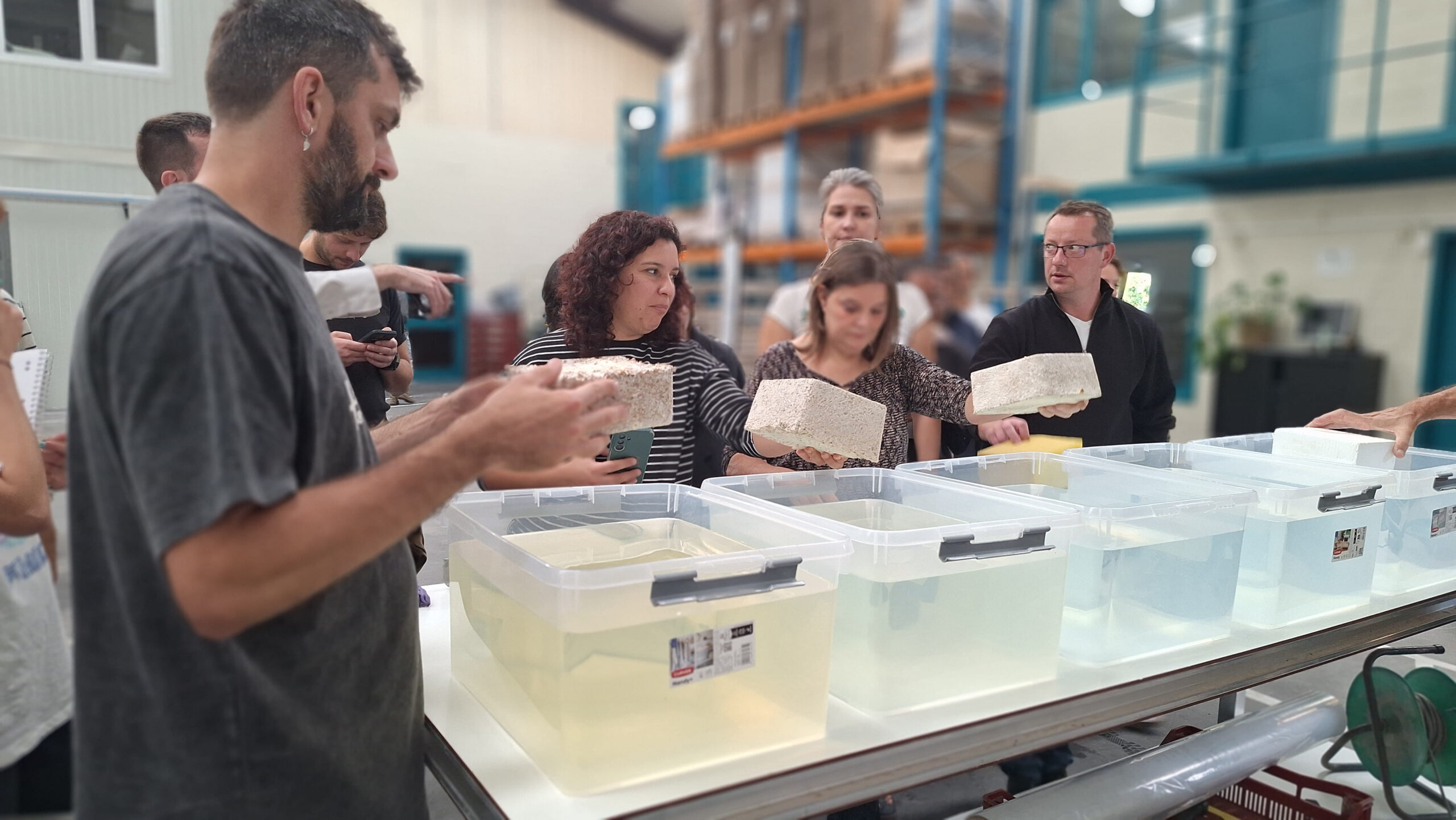
Helping bridge the gap between promising prototypes and reliable production.
This hands-on course helps you understand the living processes behind mycomaterials, recognise common pitfalls and make better-informed decisions about your next steps. Because mycelium is not simply a material you shape. It is a living production system you need to understand.
Drawing on our experience in fungal biology, spawn and substrate production, process control and industrial equipment, together with international experts from research and industry, we connect the potential of mycomaterials with the realities of producing them.
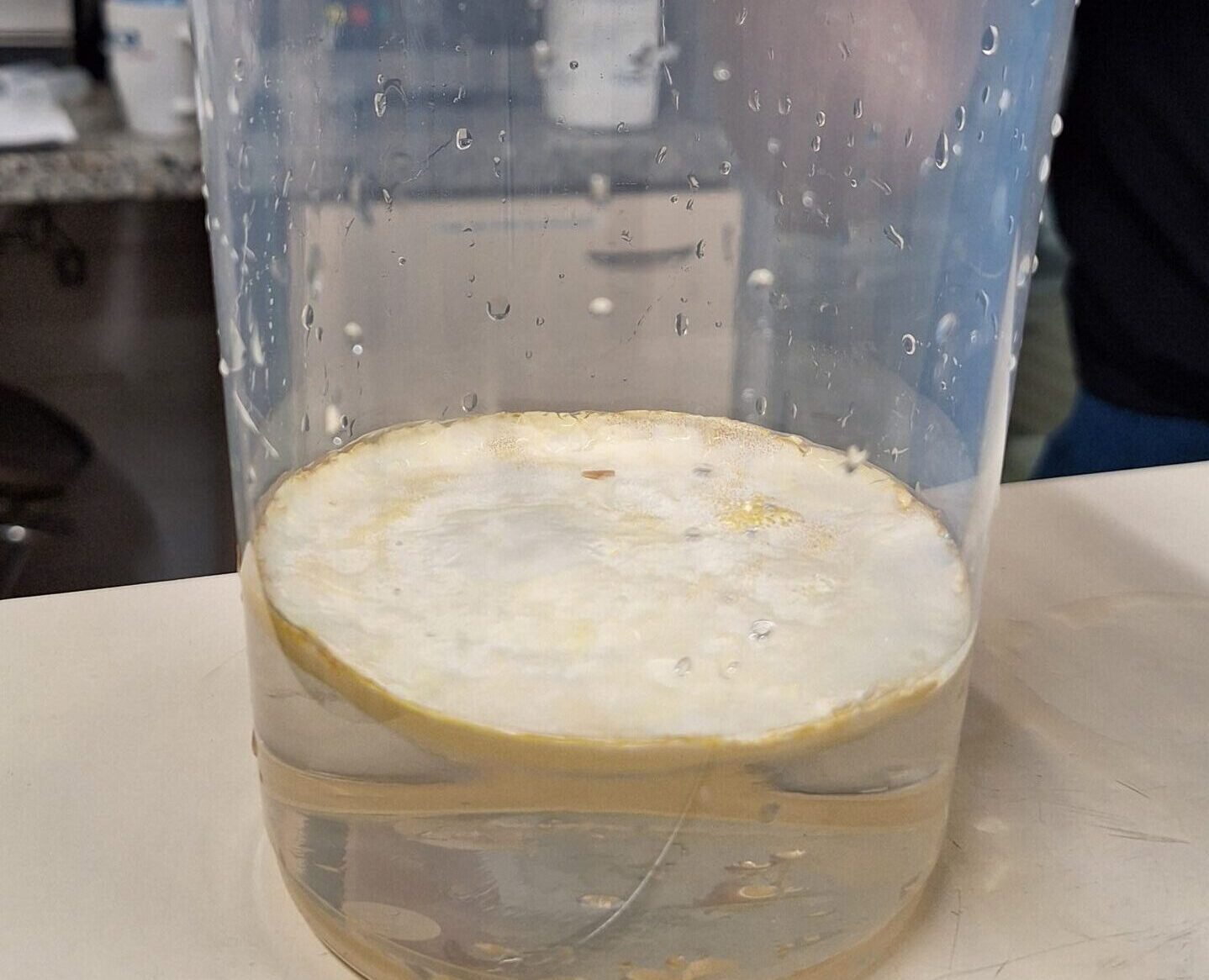
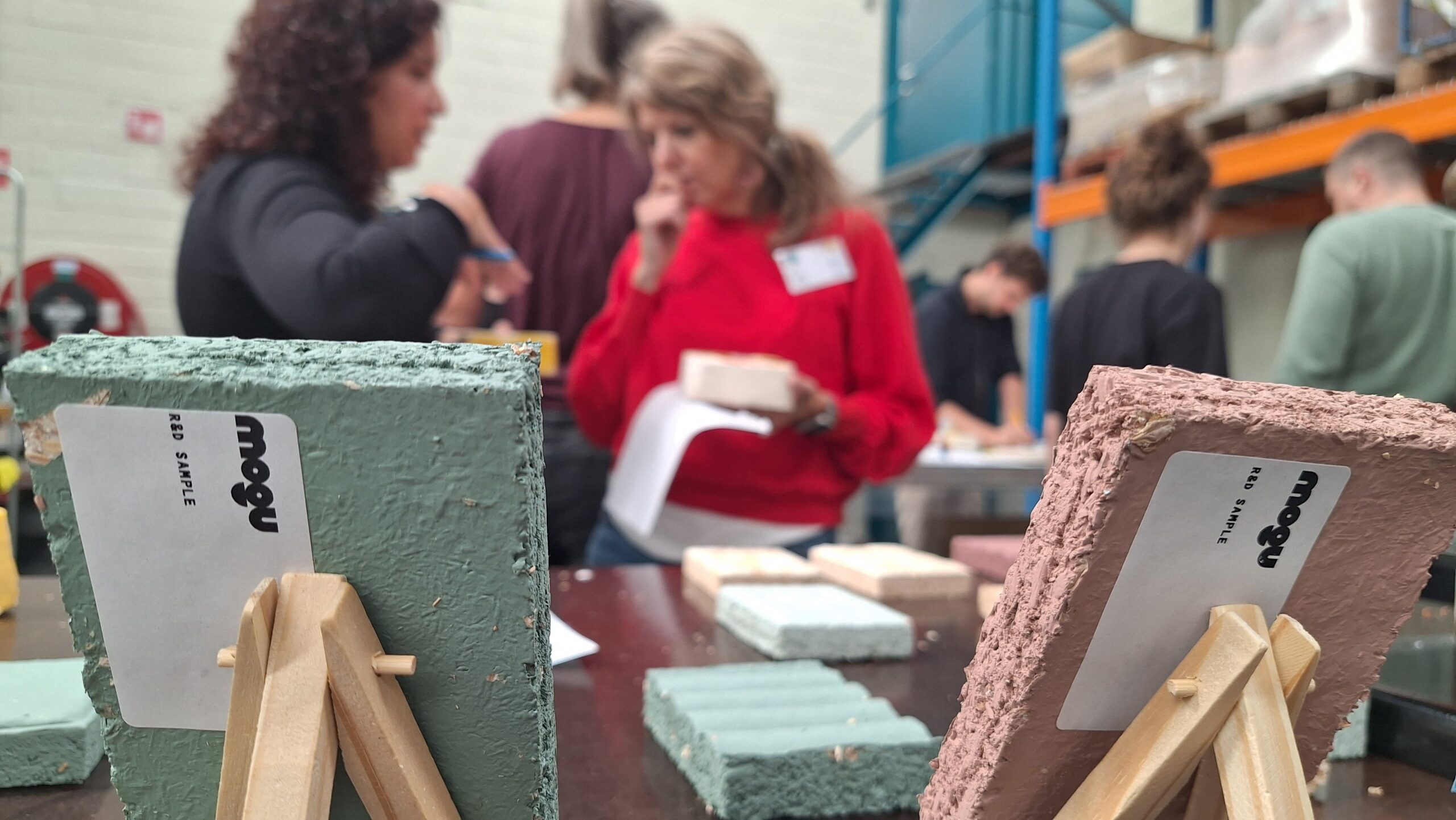
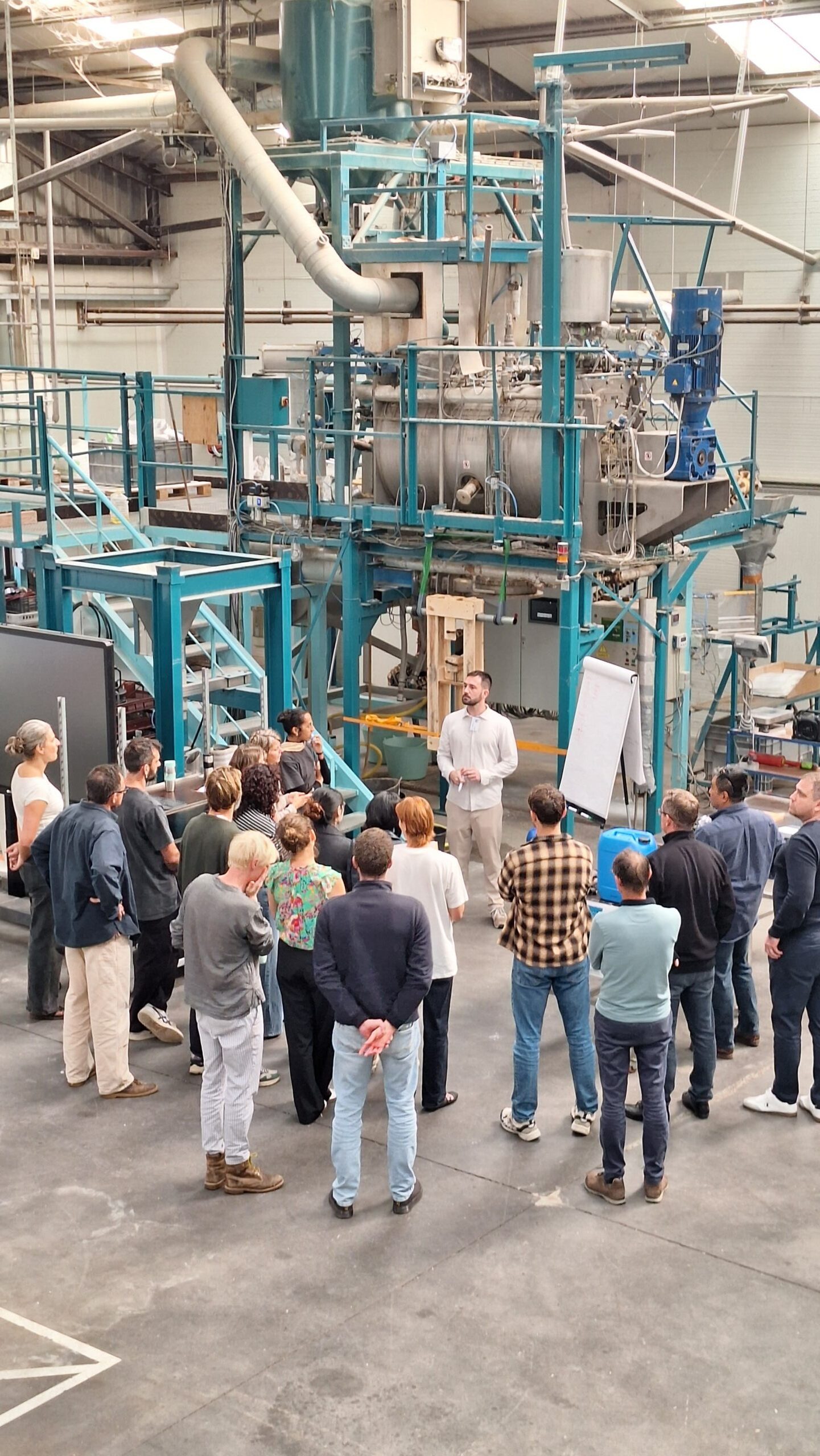
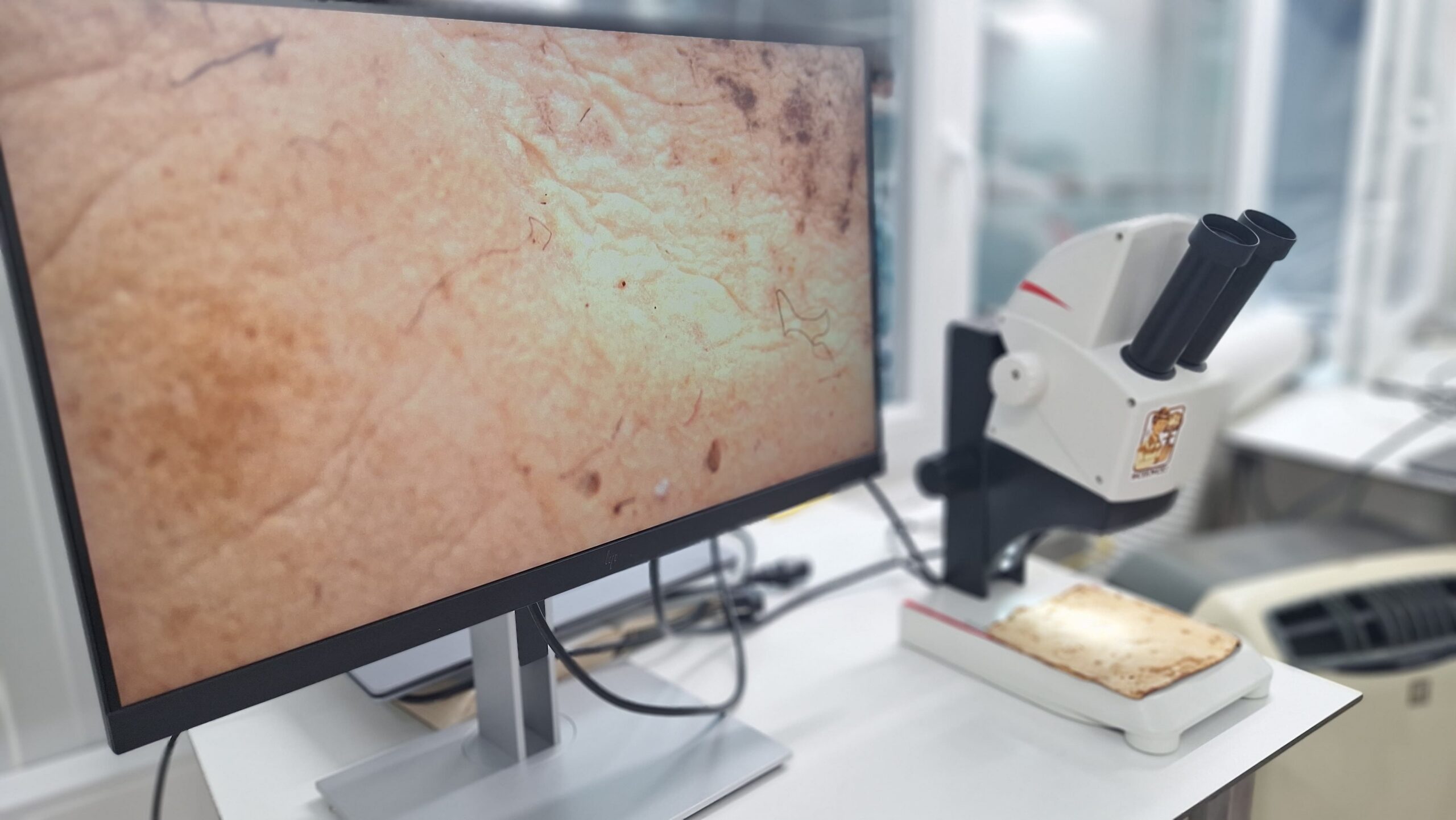
“You will get a lot of years of experience compressed in 5 days”, Cesar Gellido, MycoNauts, USA
Explore the potential - and the complexity - of biomanufacturing with mycelium.
By bringing together experts from across the industry in Belgium, we combine in-depth sessions that provide both the bigger picture and a closer look at specific challenges, hands-on practical workshops and an industrial site visit. We also explore the pros and cons of different approaches, challenge common assumptions about the industry and open up conversations about patents, entrepreneurship and the commercial realities of bringing mycomaterials to market.
“This course gave me the self-confidence to keep going on my journey – even when it’s all trial and error.”
You won’t find ready-made solutions or guarantees of success. Instead, you’ll gain a clearer understanding of the biology, production logic and strategic challenges behind mycomaterials, helping you recognise common pitfalls, make better-informed decisions and move forward with more realistic plans and greater confidence.
The course
This program has been developed over 2 years. We have searched far and wide for the right partners and landed with an international team of experts coming from the industry and research. Our alumni confirm: we don’t go for half-baked programs. This one is no exception.
We give you the real deal, guaranteed. Warning: this is an in-depth course and the learning curve is steep.
Details
- Mycelia’s spawn company in Belgium is our unique learning environment
- Nearest airport: Brussels Airport (BRU), Zaventem, Belgium
- Training language: English
- Better quality with smaller groups: we opt for a maximum of 18 participants (minimum 12)
- 2 850*
*Price excluding VAT and any applicable discounts.
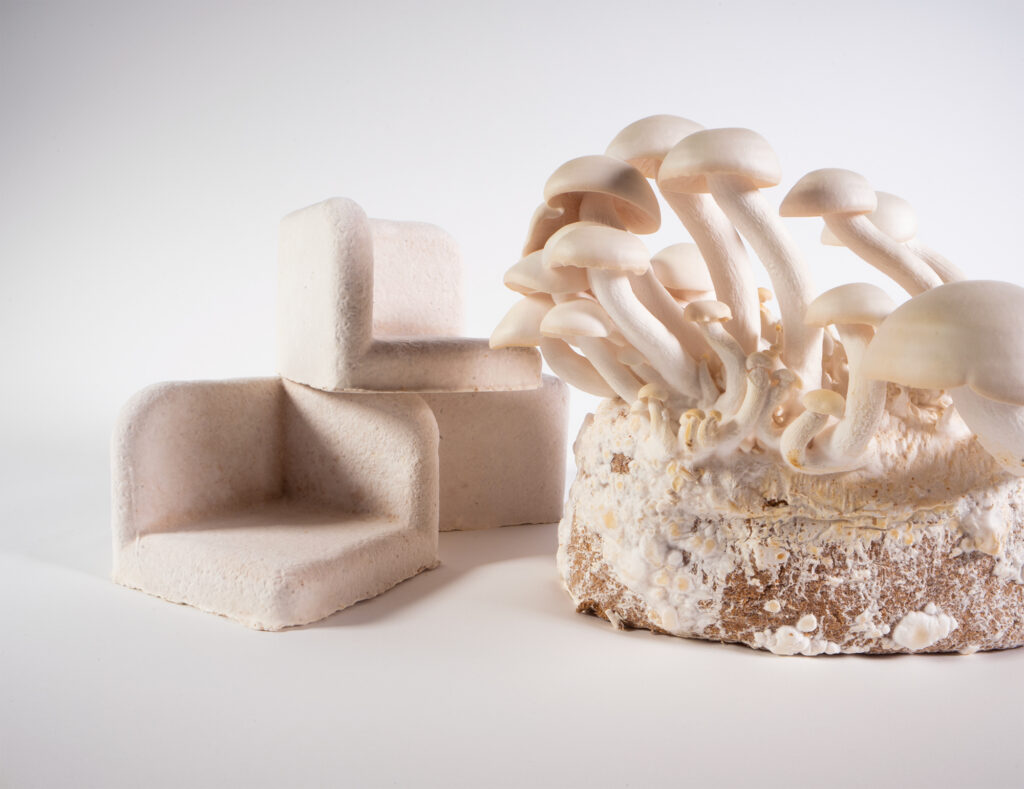
Company visits during the 2026 course edition
Mycelium Materials Europe (MME)
This November, participants will visit Mycelium Materials Europe (MME) in the Netherlands, where mycelium-based materials are being developed and produced at industrial scale.
MME combines decades of mushroom-growing expertise with innovative production technology to create sustainable materials, including mycelium-based foams and composites.
During our visit, the MME team will share where the company stands today, their vision for the future, and the challenges they have encountered along the way. The programme also includes a tour of their growing facilities, offering a closer look at their production environment.
Because turning promising materials into real-world products is rarely a smooth journey. We also visited MME during our 2024 edition, and the feedback from participants was overwhelmingly positive. We’re delighted to return and give this year’s group another opportunity to explore the realities of scaling up, ask questions, and connect what they learn during the course with actual industrial practice.
“I loved the variety – especially the excursion to the real-world production site, which really brought the course to life.”

PermaFungi
Company visit
This inspiring Belgian initiative PermaFungi explores the potential of mycelium as a circular and sustainable material for design and industry.
The aim of this company visit remains the same: to connect what participants learn during the course with real-world production practices. Always a valuable experience!
Guest expert Mitchell P. Jones
Materials scientist, engineer & chemist | TU Wien, Austria
- Dr Mitchell P. Jones is an internationally recognised researcher in fungal materials, with more than a decade of experience exploring how fungi can be used to develop new materials and transform waste streams into valuable resources.
- With doctorates from the University of Vienna and RMIT University, his work spans mycelium composites, engineered fungal sheets, nanomaterials and circular manufacturing.
- What makes his perspective particularly valuable is his focus on what happens beyond the laboratory. Rather than looking only at what fungi can produce, Mitchell investigates what it takes for fungal materials to become genuinely useful: reliable performance, efficient production, scalability and a convincing environmental benefit.
- Mitchell has authored 40 scientific publications, including research published in Nature Chemistry and Nature Sustainability.
- At Mycelia Academy, Mitchell brings this scientific expertise into the classroom through lectures, practical material testing and open discussions, encouraging participants to look critically at both the opportunities and limitations of mycomaterials.
“Mitch’s lectures, they were so transparent and very inspiring. The course helped me develop a more realistic understanding of mycomaterials and gave me a much clearer direction for my business plans.” – Yael Ginosar, Founder, Elevated Landscapes (USA)
Our next edition
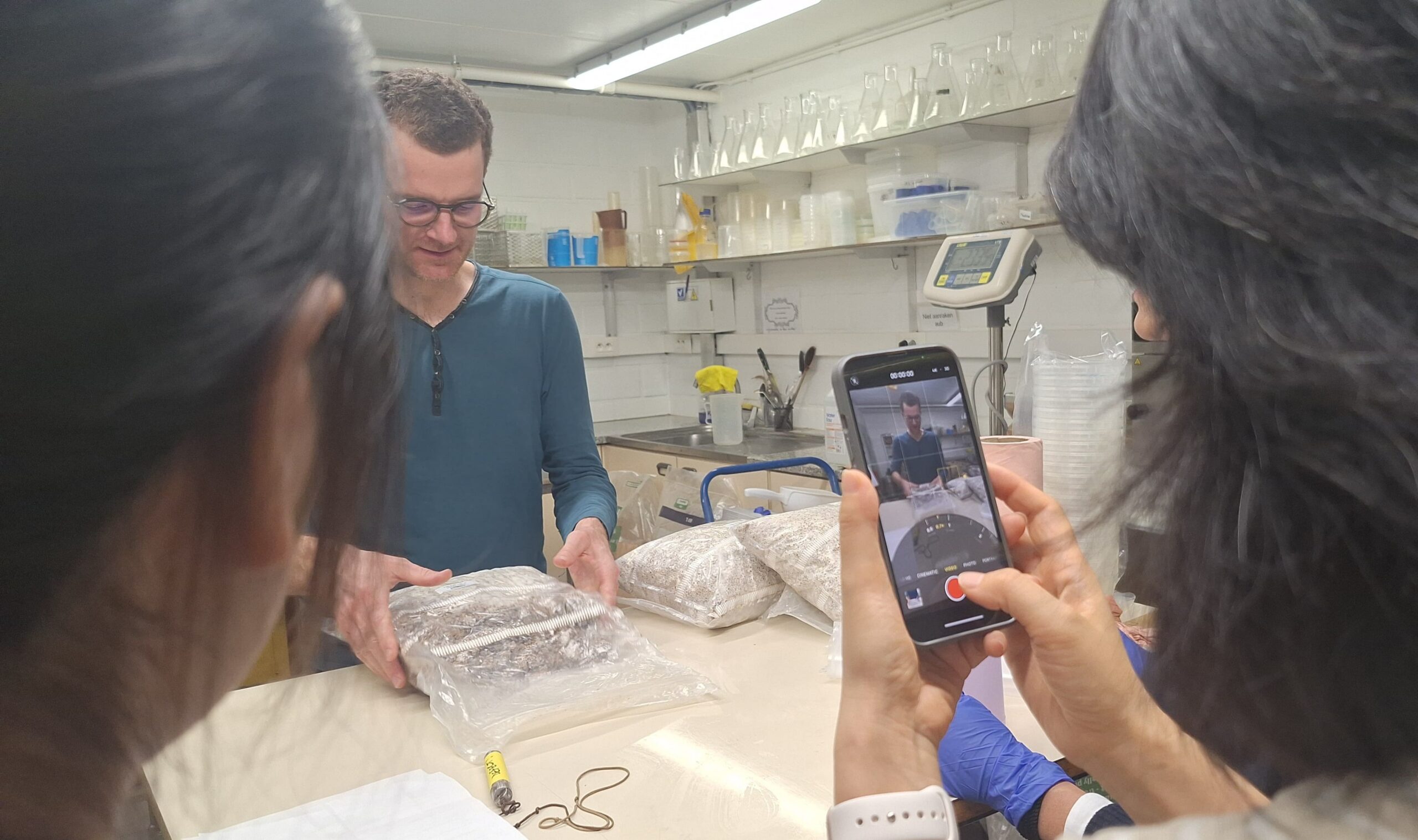
Open discussion with Ecovative
Program highlight
One of the program’s unique moments is a live online session with Ecovative, a leading U.S. company pioneering mycelium-based materials for packaging, textiles, and food.
This session dives into one of the most debated topics in the field: patents and intellectual property. We will explore both the opportunities and the challenges that come with patents – from protecting innovation to navigating barriers they may create for makers and producers.
Meet our partner Ecovative:
“This has been so valuable for me in understanding how I would start an operation in Mycomaterials (and whether I should).”
You see the potential of mycelium. As production grows, biology becomes less predictable. Your fungal strain, substrate, process conditions, equipment and hygiene all influence the result. What works beautifully once may not work the same way in another batch or at a larger scale.
Why is reliable mycomaterials production knowledge so hard to access? The industry is still young, and pioneering companies understandably protect much of what they have learned. This leaves a significant knowledge gap for designers, researchers, start-ups and production teams trying to move forward. That’s why we developed this course.
The program
The outline below reflects the most recent edition of the course and already gives a good idea of what you will get. The upcoming program will offer similar content, continuously refined based on participant feedback, practical experience and new insights from the field.
This is not a generic course built by AI: it grows from real-world research and hands-on expertise. The next edition will again include a company visit to an entrepreneur rooted in the industry.
The program may evolve further as our understanding deepens. What we share reflects the current state of knowledge and practice in mycomaterial production.
Morning
45 min
Welcome moment, practical briefing & introduction to the week
Introducing the team, the companies, practical know-how and getting to know you
90 min
Dealing with microorganisms in the production of mycomaterials
The basics, identification of contaminants, which contaminants are typical and what their vectors are
90 min
Raw materials and preparation
Introduction to substrate production: components, mixing, humidification, bag filling. Solid state substrate composition and ingredients, and an overview of the current standardised production systems
Afternoon
45 min
Theory: mycelium composites
3 × 45 min
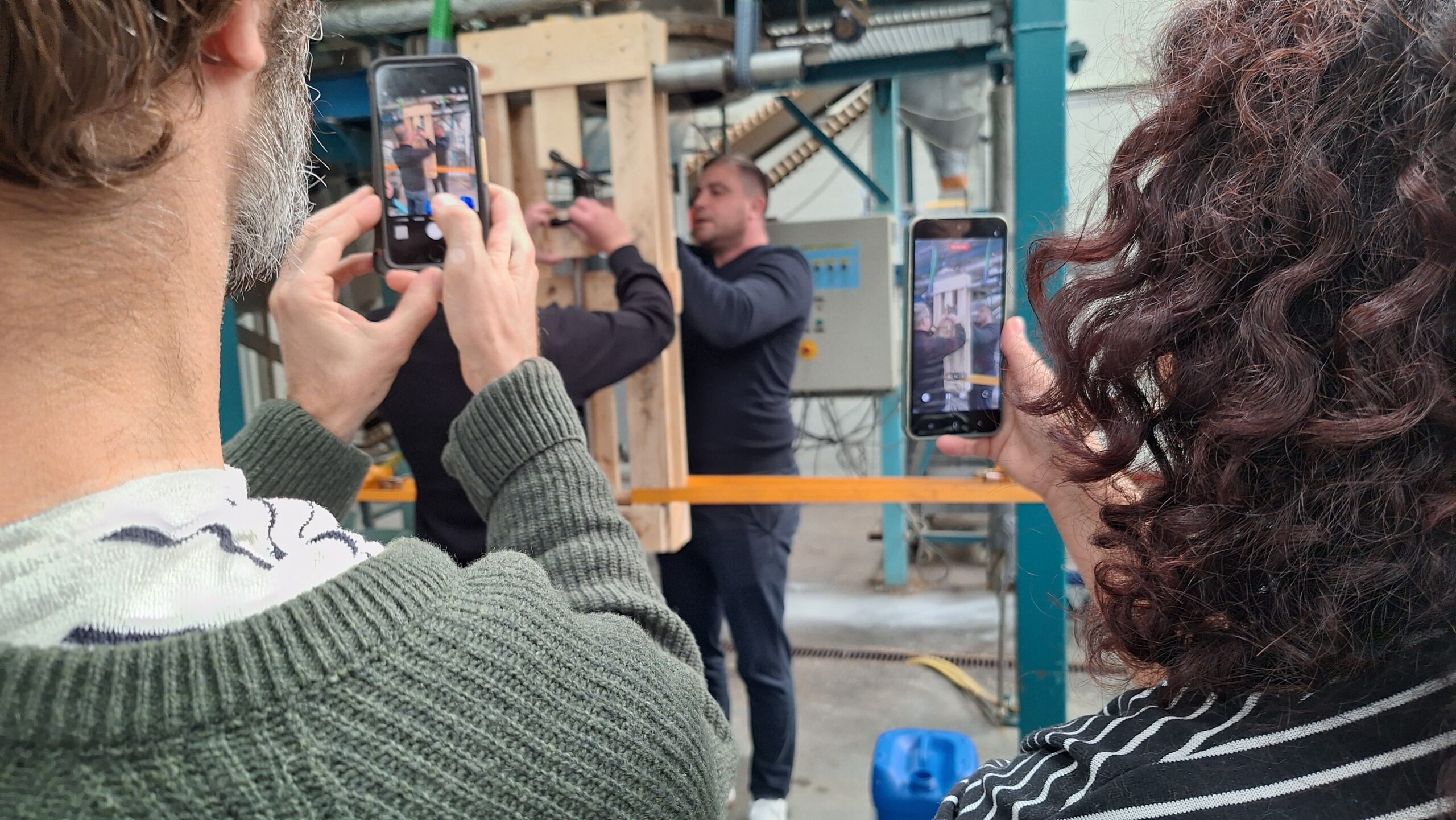
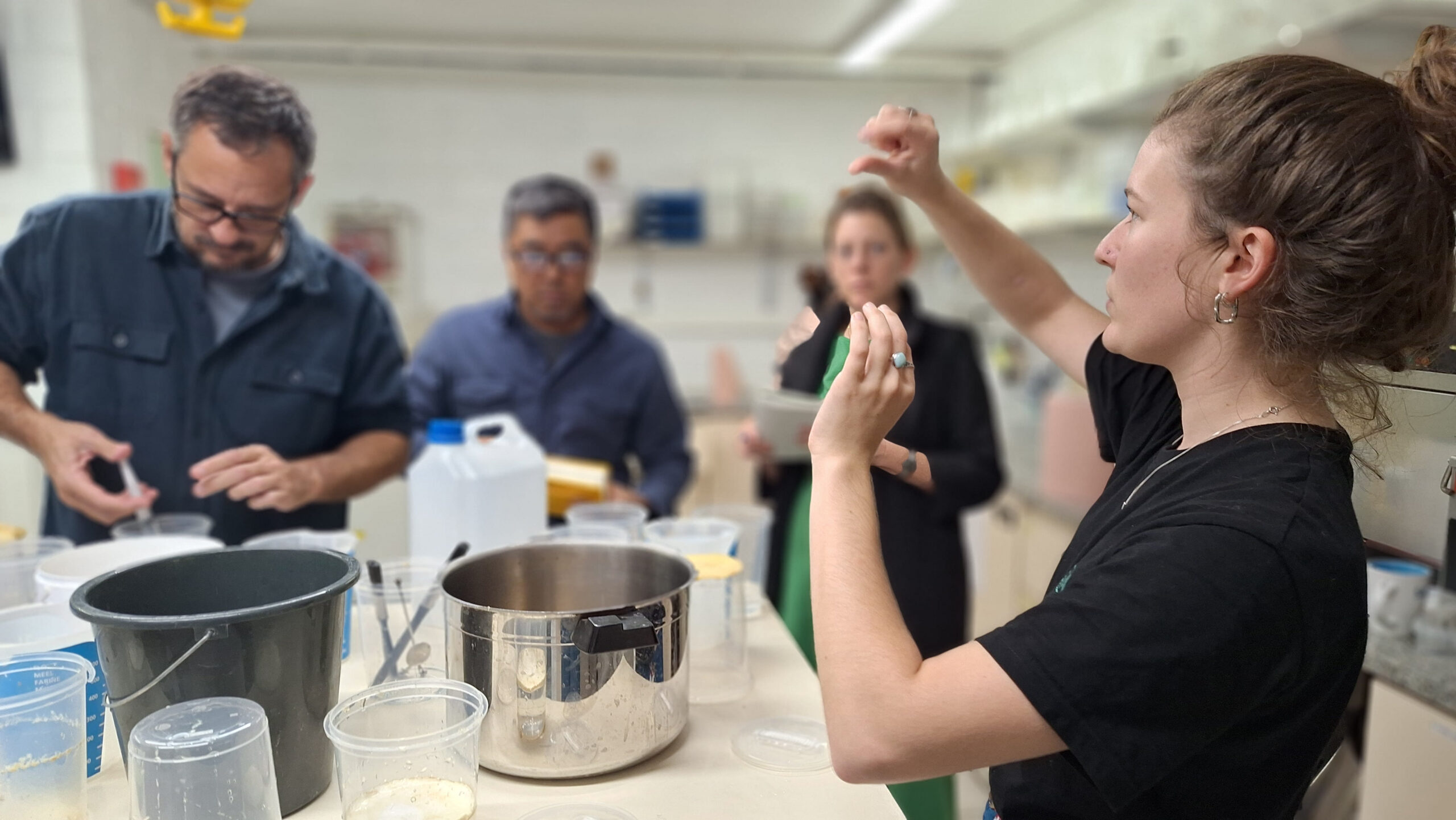
Parallel practical sessions
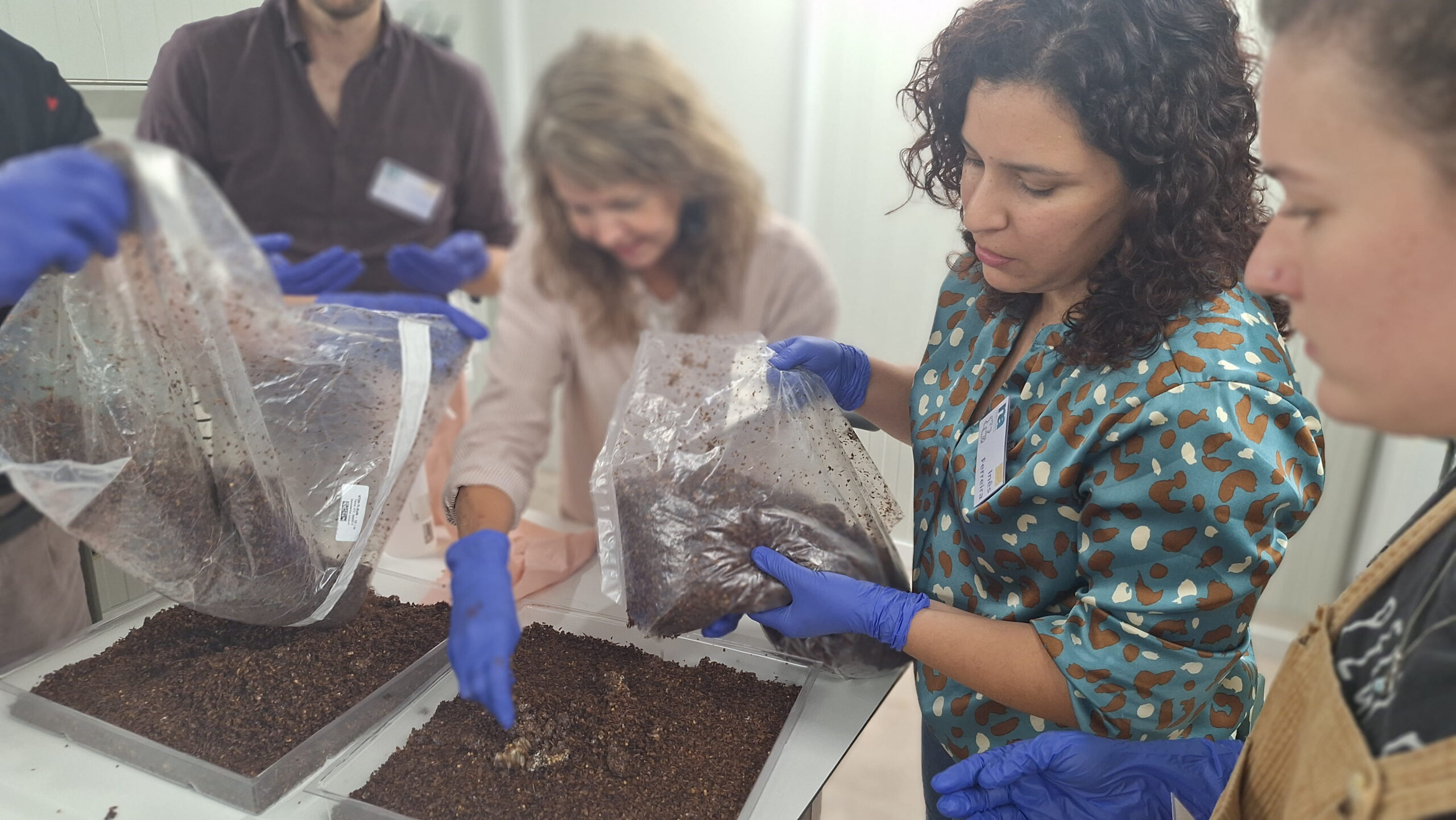
You work in small groups in the lab and the workshop. Every group takes part in all three sessions, one after the other.
Preparation of solid substrate & inoculation of sterile substrate
Lab
First incubation, moulding & second incubation
Workshop
Demoulding grown material, third incubation & drying
Workshop
20 min
Q&A on the day
Evening
Dinner in Ghent
Morning
120 min
Let's dive into biology and microbiology
Fungal life cycle, ecology and hyphae
75 min
We keep exploring
Fabrication of pure mycelium, and food
45 min
ELM: engineered living materials
Afternoon
3 × 45 min
Parallel practical sessions
You work in small groups. Every group takes part in all three sessions, one after the other.
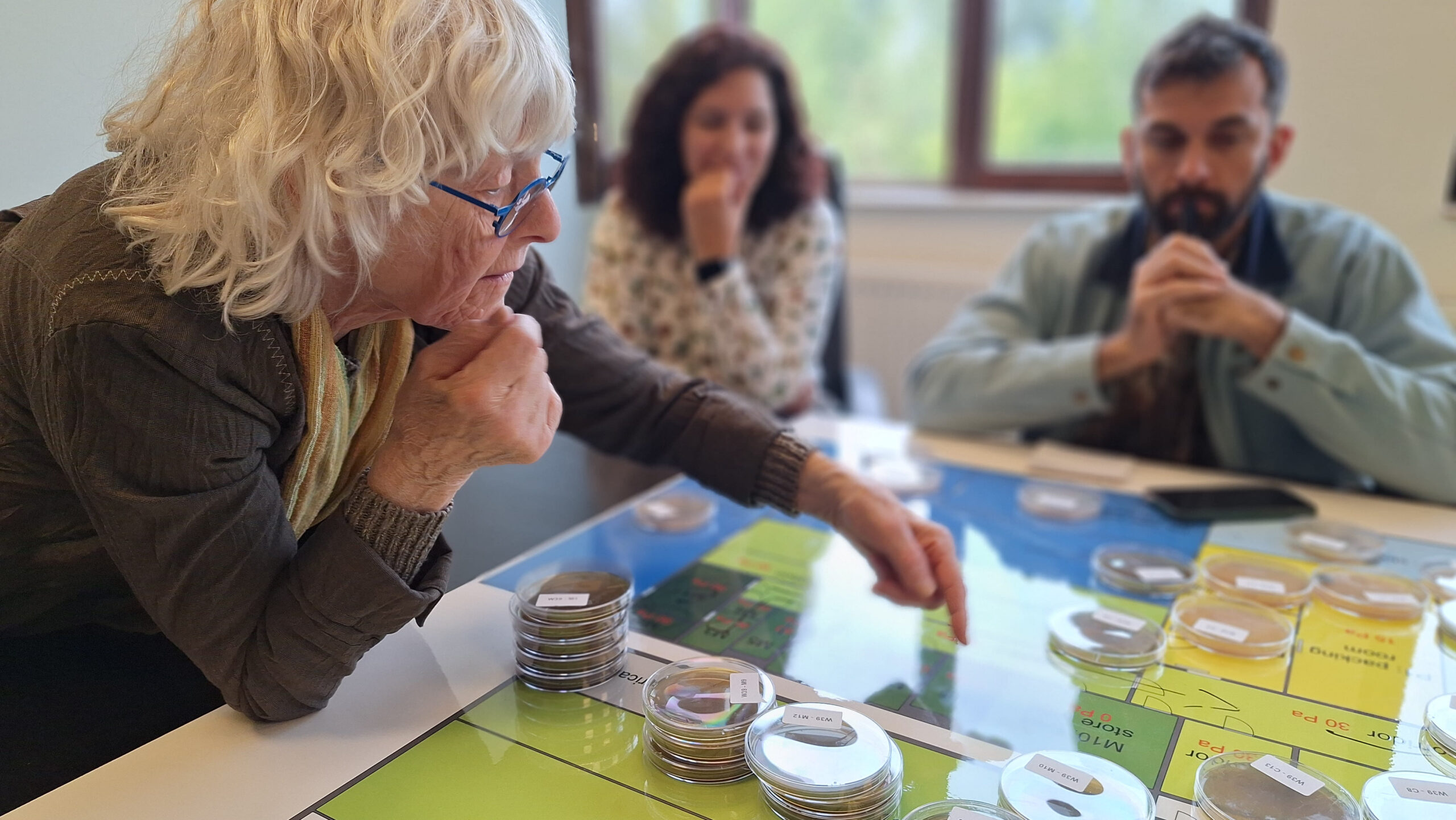
Quality control
How to control the quality of the air, how to monitor and act, early warnings
Finishing and postprocessing
Workshop
Microscopy
Lab
30 min
Final remarks, test & Q&A on the day
Morning
50 min
An introduction to mycomaterials
History of mycomaterials: commercial history, competitors and market outlook
50 min
Mycology for materials science
Strains influencing the growth dynamics and material properties
100 min
Material properties & applications
Substrate selection influencing the growth dynamics and material properties
Afternoon
60 min
Creating impactful fungal materials
From promising concepts to real-world impact: performance, circularity and scalable production of fungal materials
2 × 50 min + 2 × 40 min
Parallel practical sessions
You work in two groups. Every group takes part in all sessions, one after the other.
Flexural testing: putting materials to the test
Workshop
Patents, IP & commercial realities: in conversation with Ecovative
Video call
Compressive tensile tests: collecting data
Workshop
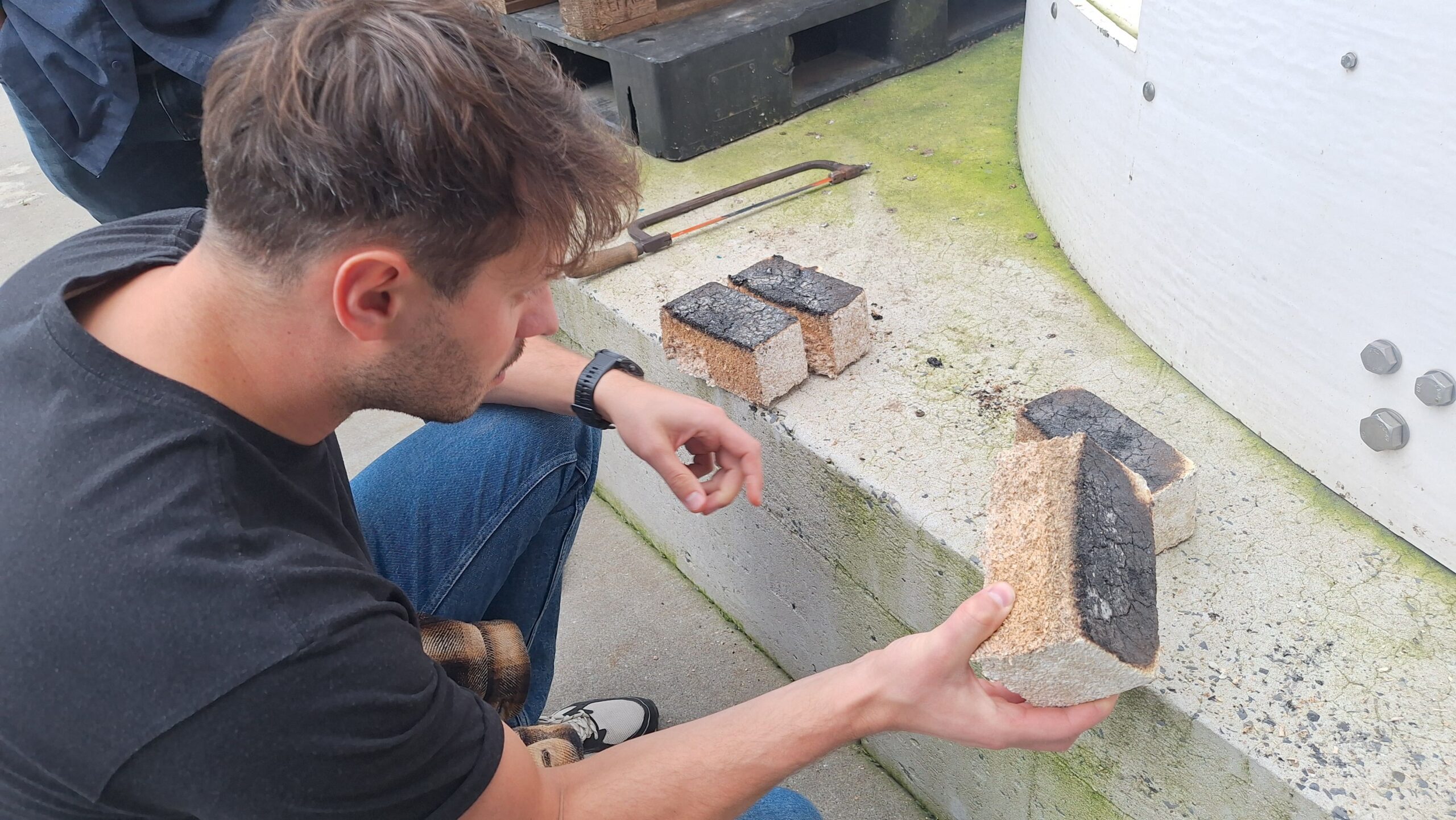
Testing material performance: water absorption and fire resistance
Workshop
40 min
Material testing: results & reflections
What did we learn from the water absorption, fire resistance and compressive tensile tests?
25 min
Q&A on the day
Morning
90 min
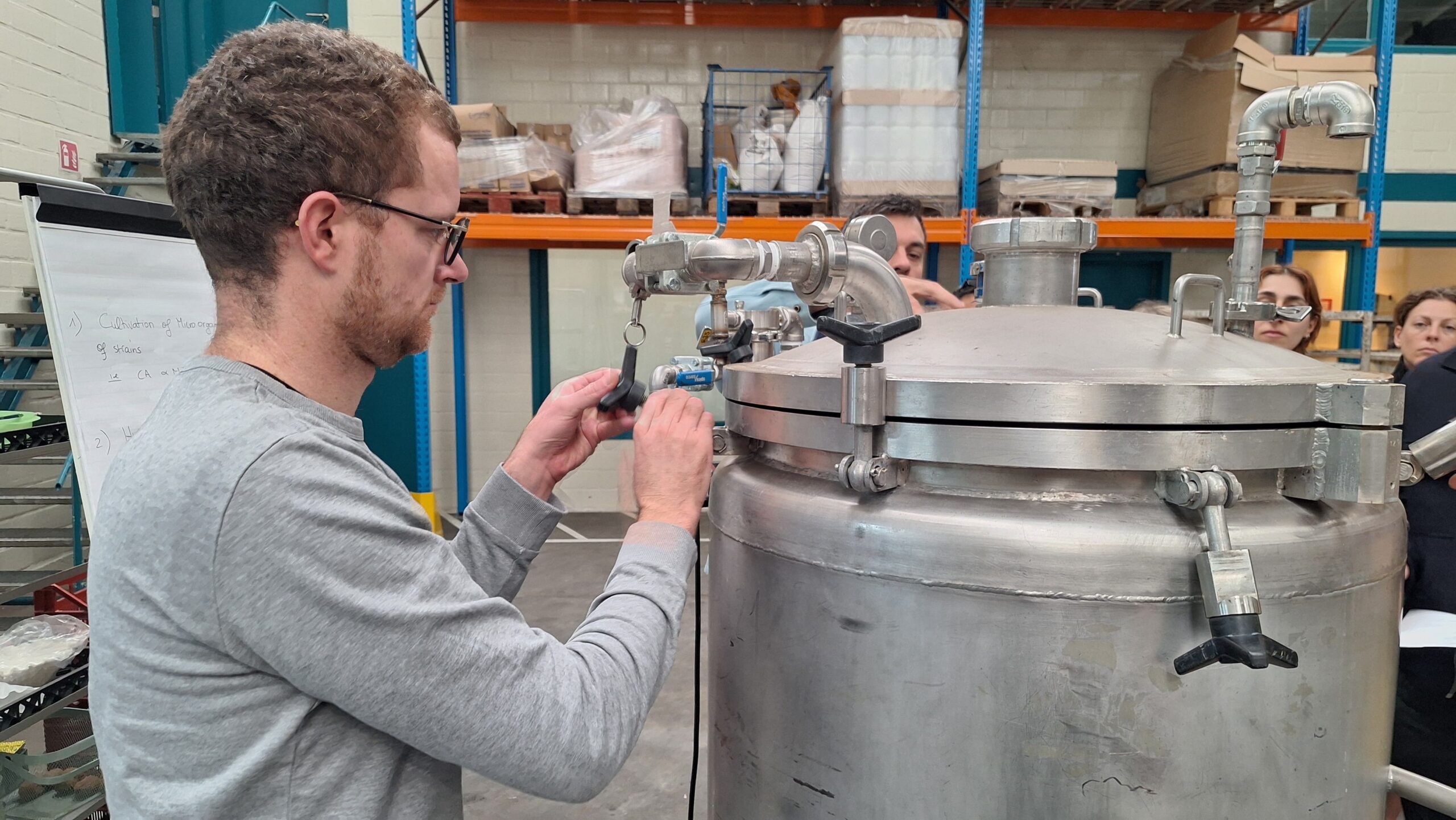
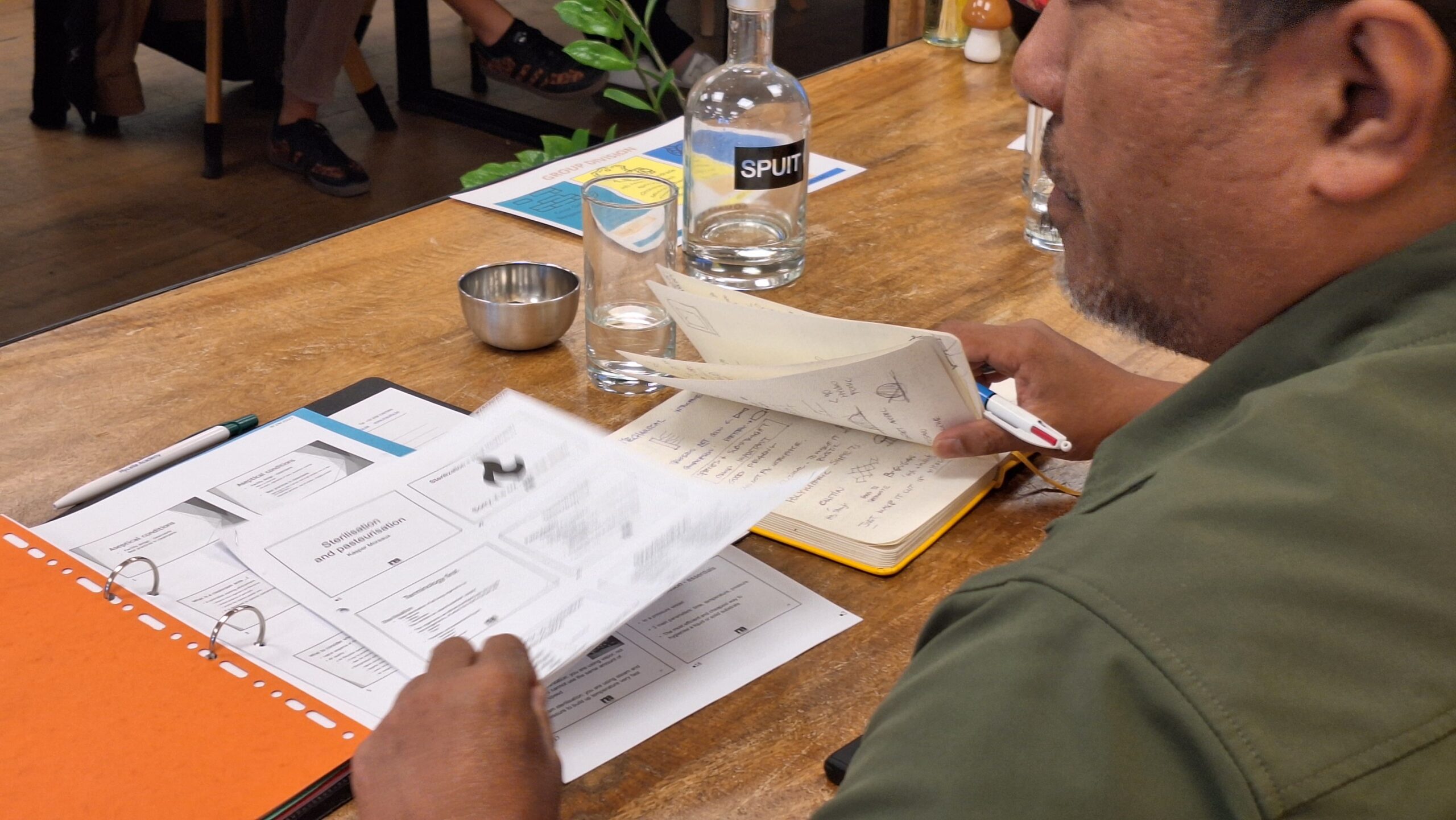
Heat treatment: pasteurisation and sterilisation
Essentials, pitfalls, technical requirements, different applications and the theory behind each process, with their advantages and disadvantages
90 min
Aseptic conditions
Facility design and clean rooms: the basics, organisation of rooms, tracking parameters. Best practices in clean rooms: how to go in and out, get dressed and work
Afternoon
Afternoon
Company visit: Mycelium Materials Europe (MME), the Netherlands
Evening
Handover of training certificates
Festive reception with mushroom-based appetisers and drinks
Morning
45 min
Cleaning & disinfection
45 min
Breathing bags & boxes
Techniques and gas exchange
90 min
Liquid state fermentation: submerged & surface
Exploring techniques and applications
Afternoon
2 × 45 min
Parallel practical sessions
You work in two groups. Every group takes part in both sessions, one after the other.
Mycoleather: from fermentation to harvest
Hands-on, low-tech process: harvest your own material and create a small mat
[Second session to confirm]
35 min
Outro, evaluation & goodbye
Course overview
Date
Investment
Location
* Price excluding VAT
Be the first to know
Subscribers get the news first.
We will soon announce the new format and duration of this course.
Subscribe our newsletter to get the first hand news and grant your spot!

What the latest course edition covered
- Collaboratively produce a batch of sound panel mycofoams, guiding the process from raw material to finished panel
- A solid introduction to mycelium production: components, mixing, filling, bag closing, inoculation, incubation, …
- How to deal with risks and micro-organisms in the production of mycelium
- Explore the world of new mycomaterial applications such as textiles, components, yarns and their possible and impossible applications
“Informative and well-curated – the course offered a great mix of market insights, science-based information, and practical know-how on the mycomaterials industry.”
What our participants say about our courses
Some more topics?
- What are the existing machines in the industry?
- Crucial information on strain maintenance, mycelium cultures and inoculum production
- Understand the different production technologies you can apply
- Practice inoculation, moulding, bagging, sterilising, pouring, mixing, designing
- And much, much more: Incubation , quality control, stresstests, construction, additives, ...
Guest lecturer
Jara Salueña Martin
Jara is a PhD candidate at the Research Group of Microbiology (MICR) within the Department of Bioengineering Sciences at the Vrije Universiteit Brussel (VUB). Her research focuses on living materials and microbial systems, with a special interest in mycelium-based applications.
Jara joins the Mycomaterials Production Course as a guest lecturer, sharing both scientific insights and hands-on experience. With a background that bridges microbiology and biodesign, she offers participants a unique perspective on how biological processes interact with material development.
Meet Jara!
- Her focus: helping participants translate biological complexity into tangible, meaningful results.
- PhD candidate at the Faculty of Sciences and Bioengineering Sciences | Vrije Universiteit Brussel (VUB)
-
She is part of the Research Group of Microbiology (MICR)
-
Co-author of the article Growing sustainable materials from filamentous fungi published in The Biochemist (2023), together with Eveline Peeters and Simon Vandelook.
-
Curious about her background? You can find more on Jara’s LinkedIn profile.
Her contribution helps participants better understand the microbial and ecological dimensions of working with mycelium – from lab conditions to real-world design contexts.
Extra Course Information
These recommendations apply to the November 2026 edition only.
We recommend “Hotel Amary ” Cleythill Group
Koning Albertlaan 44, 9990 Maldegem, Belgium
Have a look at Hotel Amary on Booking.com
A few practical details:
- In the evening there is an honesty bar, where you can help yourself to drinks and pay accordingly.
- a shared lounge where you can relax, enjoy a drink at affordable prices and spend time with your fellow participants
- A daily shuttle service between the hotel and Mycelia Academy (80€/pp/week)
- The hotel operates with a largely automated system. Staff are present in the morning, but not in the evening.
- We can check availability for you
Payment and invoicing
- Hotel Amary (Cleythil Group) will send you an invoice for your accommodation in advance of your stay.
- The hotel will also make you an invoice for the number of nights requested. The price per night is € 92/person, breakfast included.
- Payment is made directly to the hotel, not through Mycelia Academy.
Although Hotel Amary doesn’t have its own restaurant, there are several options nearby:
Restaurants in the area
· Restaurant Caprice – a nearby restaurant (500m), open for dinner on Monday, Tuesday, Thursday and Friday.
· Restaurant Kwizien – approximately 2 km away, offering a lovely dining experience. Open for dinner from Tuesday to Saturday.
· Restaurant Kristoffel – another option in the Maldegem area.
We recommend checking availability and booking a table in advance, particularly if you’d like to dine together.
Prefer a relaxed evening at the hotel?
You’ll find leaflets at the hotel with an overview of local food delivery options.
If you’re not familiar with Uber Eats, it’s quite simple:
1. Open the website or download the Uber Eats app on your phone.
2. Enter the hotel address: Koning Albertlaan 44, 9990 Maldegem.
3. Browse the restaurants offering delivery, choose your meal and pay online.
4. Follow your order and collect it when the delivery driver arrives: He/She brings your meal tot he hotel!
You can then enjoy your meal in the hotel’s shared lounge, perhaps together with some fellow participants?
Travelling to the hotel
If you’re travelling by train, please travel to Aalter railway station, not Nevele.
For those arriving on Sunday evening who need transportation from Aalter station, we can arrange a taxi (at your own expense). Please let us know in advance.
We recommend the Cleythil Hotel.
Location
Just outside Maldegem, 20 km from Mycelia Academy in Deinze, you will find the most welcoming Cleythil Hotel. The spacious garden offers you a magnificent view on the green fields and woods of Drongengoed. From a strategic point of view, Cleythil Hotel benefits an unique location. Just a 20-minute drive from historic Bruges and less than 30 minutes from the beautiful historic Ghent you make the finest day trips.
Rooms
The rooms are contemporary and comfortable with 32-inch HD flat-screen digital tv, free wired internet, a tea/coffee maker and a sitting are. All these elements make the rooms complete. A varied buffet breakfast is served each morning. You can submit a request for a gluten-free breakfast. (To be requested in advance.)
Price
The price per night for a single room is € 92 per person, breakfast included.
You can book this accommodation directly with us as a free service. During the registration process you can select whether you want to use this service or not. After the booking is done with us, you will get an invoice from the hotel to pay for the amount of nights you are staying.
Free Wi-Fi is available in the entire hotel. You can relax in the outdoor sauna and you can enjoy a drink in the bar or on the terrace. Papinglo Restaurant, with open kitchen, offers you a culinary à la carte menu.
There is free parking at the hotel. With our rental bicycles you can explore the beautiful surroundings, and in half an hour by car you reach our nice Belgian coast.
A late check-in is possible. After 10 p.m. guests can enter through the sliding door, and to the right on the wall they will find an envelope with their name on it. In it is their key. With this key they can enter the hotel as well as their room.
The hotel will also make you an invoice for the number of nights requested. The price per night is € 92/person, breakfast included.
Cancellations and prepayment conditions
For cancellation up to 3 days before arrival date, no fee will be charged for the reserved room; for multi-room reservation, this condition applies up to max 2 rooms. For cancellation up to 1 day before arrival date, 50% of the total reservation will be charged and for cancellation the day itself or no-show, the total reservation will be charged.
Your course fee includes:
- A light bread meal every day of the course: bread with toppings, cheese, charcuterie, an egg dish and soup,
- Coffee, Tea, snacks, fruit, waters and juices during all breaks,
- Welcome dinner the first evening.
Other dinners are at your own expense.
How to travel to Mycelia Academy?
Do you take the train after arriving at the airport?
Shuttle Service for hotel to Mycelia transportation
Since the hotel is located in Maldegem, about 20km from Mycelia, we are pleased to inform you that a shuttle service has been arranged to conveniently transport you between your hotel in Maldegem and Mycelia Academy.
The shuttle will operate in the morning and evening, ensuring timely transportation for your courses.
The shuttle service is available at € 80 per person per course week. The shuttle service fee will be billed directly by Mycelia Academy.
Please note that while we offer this shuttle service for your convenience, you are also free to arrange your own accommodation and transportation if you prefer.
Or would you prefer to explore another subject?

Integrated Hygiene Management

Mycelium Production course

Substrate and Wood Fungi Production course
