Substrate and Wood Fungi Production course

All you need to know about the production of substrates and lignicolous mushrooms
Fed up with the internet overload of information on mushroom growing? Don’t know who to believe anymore?
In order to run a profitable project or business, you would prefer to have the right information, practical experience and best-practices to work with right away?
Course overview
Date
Investment
Location
* Price excluding VAT
“Teaching grounded in the instructors’ experience,
hands-on practice with materials and facilities, and informal, open conversations throughout the course.”
Course essentials
This course is firmly rooted in real-world research and hands-on practice.
It is shaped by years of work in substrate and wood fungi production, close interaction with producers, and continuous exchange with experts across the value chain.
What we share reflects the current state of knowledge and practice in substrate and wood fungi production – grounded in experience, open to nuance, and evolving as the field itself evolves.
A quick overview of the need-to-know details for your visit to Mycelia Academy:
- Mycelia’s spawn company in Belgium (Deinze) is our unique learning environment
- Nearest airport: Brussels Airport (BRU), Zaventem, Belgium
- Training language: English
- Better quality with smaller groups: we opt for a maximum of 18 participants (minimum 12)
- 2 450*
* Price excluding VAT
Don’t miss the next edition
Get expert insights and early access to the next editions of our courses.
Guest expert
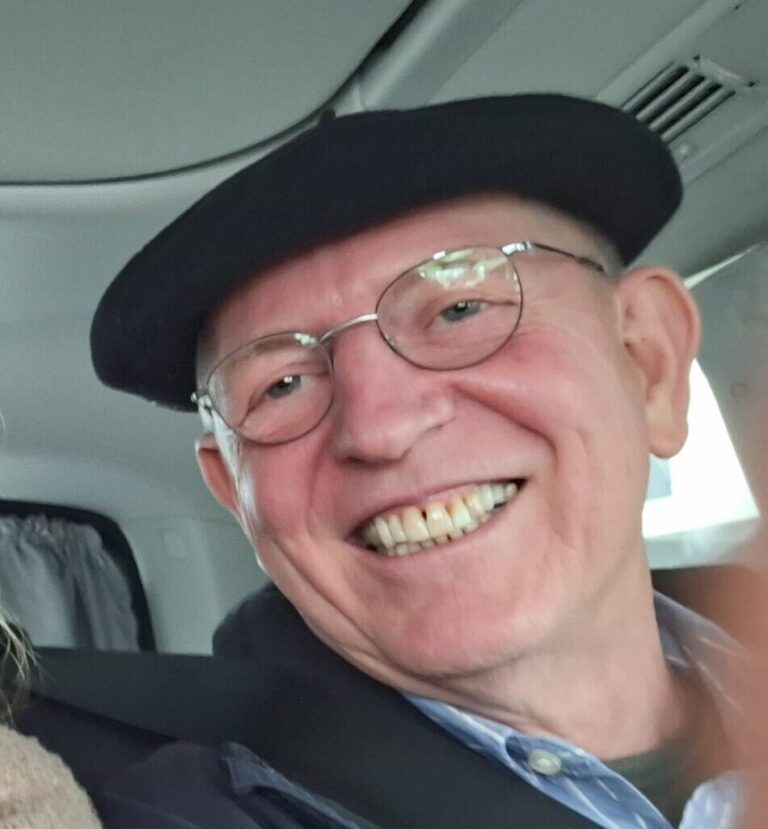
Patrick Romanens, Switzerland
Patrick Romanens is widely recognised as one of Europe’s pioneers in shiitake mushroom cultivation. With more than 40 years of experience in the field, he founded his company Fine Funghi in 1988 with the aim of producing high-quality sterile shiitake substrate and certified mushroom products.
Over the decades, Patrick has built a deep knowledge of fungal biology, substrate formulation and commercial mushroom production. His work in Switzerland has included scaled cultivation of shiitake, oyster and other specialty mushrooms, supplying a significant portion of the organic market and sharing his practical insights with growers across Europe, as a board member of the European Specialty Mushroom Institute (ESSMI).
Patrick combines hands-on expertise with a passion for learning and innovation. In this edition of the course, he joins as a guest expert, sharing insights drawn directly from long-term practice in the field and across the value chain.
Topics explored during the course
- A solid introduction to substrate production
- The importance of spawn quality in your production
- Building techniques such as water supply, energy efficiency, …
- The necessary fundamentals of biology for substrate producers like you
- How to deal with micro-organisms in your production
“Throughout the course, I was constantly reflecting on whether we were doing things the right way – and in several cases, I realised we were not. I noted many concrete points for improvement within my company. I’m now working on these and look forward to sharing our progress.”
- How to design a proper substrate formulation?
- A much needed technical view on cooling and heating
- Pasteurisation process: theory and practice, advantages and disadvantages for your process flow
- A biological approach of different production stages : incubation, ripening, fructification
Program of the Substrate & Wood Fungi Production course
This outline below is based on a previous edition of the course. While the core topics remain, each edition is carefully refined based on participant feedback, practical experience, and ongoing insights from the field.
Company visits
Whenever possible, we include visits to companies active in substrate or mushroom production.
The exact locations may vary from edition to edition, depending on availability and ongoing activities. This keeps each course closely connected to real production environments.
Morning | ’45 | Welcome moment, practical briefing & introduction to the week Introducing the team, the companies, practical know-how and getting to know you |
|---|---|
’50 | Introduction to substrate production (Part 1) + Q&A |
‘100 | Introduction to substrate production (Part 2) + Q&A |
Afternoon | Parallel Practical Sessions: Substrate composition |
|---|---|
’55 | Group 1 |
’55 | Group 2 |
’55 | Group 3 |
’30 | Q&A on the day |
Evening visit to Ghent |
Morning | ’60 | Fundamentals of biology for substrate producers (Part 1) |
|---|---|
’55 | Pasteurisation process for substrates of lignicolous mushrooms |
’60 | Autoclaving sterilisation process |
’30 | Fundamentals of biology for substrate producers (Part 2) |
’15 | Briefing on ordering products |
Afternoon | Parallel Practical Sessions: Substrate composition |
|---|---|
’55 | Group 1 |
’55 | Group 2 |
’55 | Group 3 |
’30 | Q&A on the pratical sessions |
Morning | ’55 | Dealing with micro-organisms in substrate production (Part 1) Presence of propagules in the air, cleanroom classes, air quality control, use of LAF, use of overpressure, rules of conduct |
|---|---|
’45 | Dealing with micro-organisms in substrate production (Part 2) Presence of propagules in the air, cleanroom classes, air quality control, use of LAF, use of overpressure, rules of conduct |
’90 | Pests and diseases Prevention and solutions |
’40 | Breathing bags and boxes Techniques and gas exchange |
Afternoon | Parallel Practical Sessions |
|---|---|
’55 | Group 1 |
’55 | Group 2 |
’55 | Group 3 |
’30 | Q&A on the pratical sessions |
Morning | ’30 | Incubation and ripening phases, theory versus practice Climate conditions |
|---|---|
’60 | Fructification techniques (Part 1) Humidification, mushroom harvest and conservation, rules of hygiene |
’60 | Fructification techniques (Part 2) Humidification, mushroom harvest and conservation, rules of hygiene |
’45 | Spawn quality Importance in substrate production. Gas exchange, packing, transport and conservation, quality control |
Afternoon | |
|---|---|
’55 | Biological approach of different production stages Incubation, ripening, fructification |
Parallel Practical Sessions | |
’55 | Group 1 |
’55 | Group 2 |
Handover of training certificates |
Morning | Company visit to “De Kromme Boom” |
|---|
Afternoon | |
|---|---|
’60 | Low cost production of substrates for specialty mushrooms in sea containers + Q&A |
‘100 | Demonstration of incubating substrates Good and bad examples, discussion |
Company visits
Learning extends beyond the classroom through visits to one or two mushroom or substrate-producing companies or related value-chain projects.
Each edition may feature different companies, offering participants insights into a range of production environments.
These visits are not factory tours in the classic sense. They are contextual learning moments: an opportunity to see how theory, choices, constraints, and innovation come together in real-life settings. Participants are invited to observe, ask questions, and reflect – not to copy-paste solutions, but to better understand processes and decision-making.
The companies we visit may vary between course editions. Let’s meet some of them!
“The visits were relevant and inspiring. Very very helpful”
De Kromme Boom
Host company visit
De Kromme Boom is a Belgian social enterprise (maatwerkbedrijf) combining employment opportunities with organic oyster mushroom cultivation.
The production of bio oyster mushrooms is embedded within a broader social mission, integrating agricultural work with supported employment.
The visit provides a view into how mushroom cultivation functions within a social and organisational framework, shaped by people, processes, and practical constraints.
“Loved it. It gives an image of different companies with a different view and different goals. It gave an idea about practical things, different opinions about “necessary” things and it felt for me quiet clear in which direction I would like to go in the future.”
Padoo
Host company visit
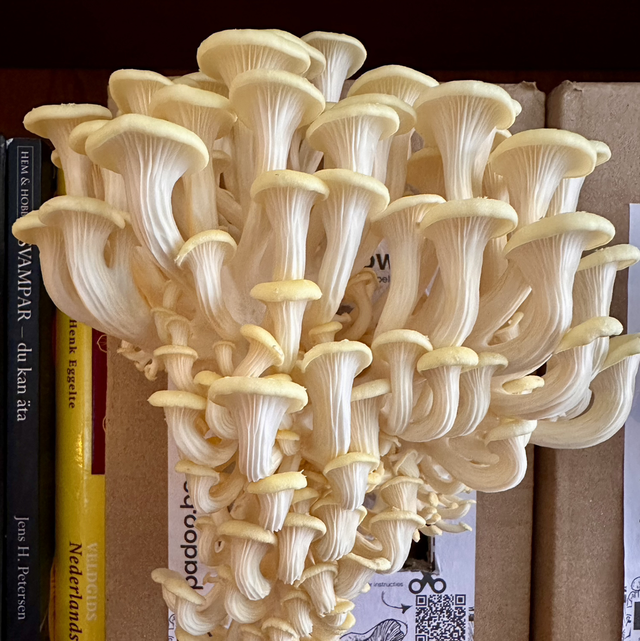
Padoo is a Belgian producer of fully organic, locally grown specialty mushrooms, operating within a short supply chain from grower to customer.
Their activities cover cultivation, harvesting, and product preparation, with a strong focus on freshness and local distribution.
The company visit provides an opportunity to get acquainted with Padoo’s approach and daily practice, with the content of the exchange shaped by the guide, the context of the moment, and the questions raised by participants.
“I love it, because they have different types of mushrooms and it gives me hope for my little farm.”
“It is important to be able to see what has been learned.”
Our next edition
Don’t miss the next course
Get expert insights and early access to the next editions of this course.
The expertise behind the course
This course has been developed by Magda Verfaillie and Kasper Moreaux, experts of Mycelia Academy, in close collaboration with the Academy’s team and experts such as Jürgen Kynast.
This highly regarded engineer combines extensive experience as a grower and substrate producer of specialty mushrooms with a broad-spectrum scientific background.
Jürgen’s knowledge runs throughout the course – he has generously contributed to its design from the very beginning, and his expertise is reflected across the modules. While his contribution is embedded in the course content, the involvement of Jürgen in live sessions may vary from one edition to another, as does the participation of other guest experts.
After each edition, the course is thoroughly evaluated and continuously refined – content-wise, organisationally, and didactically. These updates are shaped by the collective expertise of Mycelia Academy’s team, insights from external experts, and the fresh perspectives of younger professionals and participants.
Meet our experts
A team of skilled experts with years of experience in highly professional European and international companies.
Teachers may vary by edition.
Frederik Cruyt
Orazio Tietto
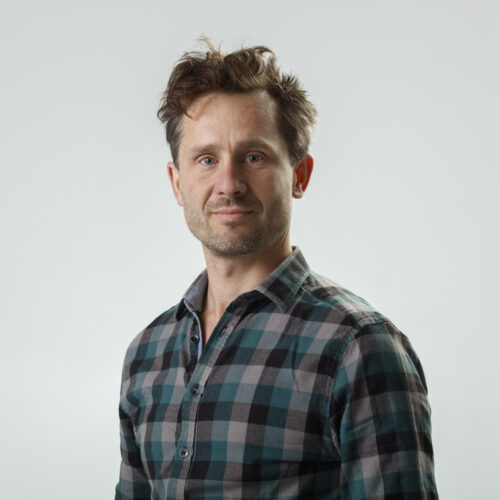
Kasper Moreaux
Born into the mushroom industry because the founding owner of Mycelia, Magda Verfaillie, happens to be his mother. Geologist, microbiologist, polyglot and lifelong mushroom enthusiast.
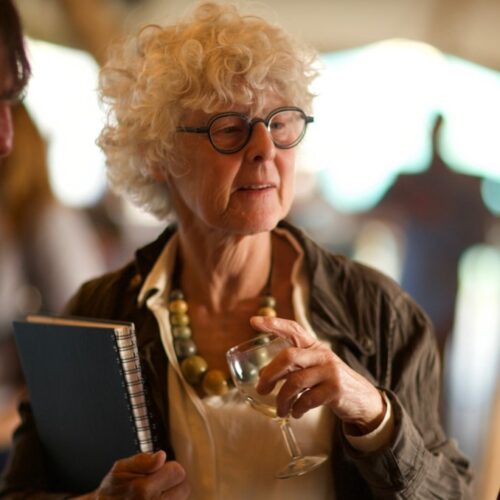
Magda Verfaillie
Biologist and mycologist with 40 years of experience in mycelium production. The force of nature behind the original Mycelia School and a wonderful spirit.
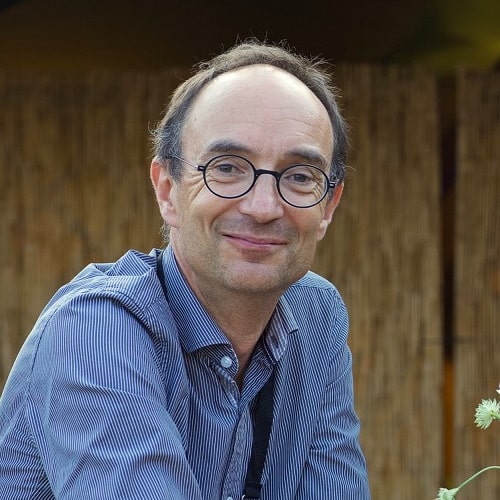
Roel Van de Heyning
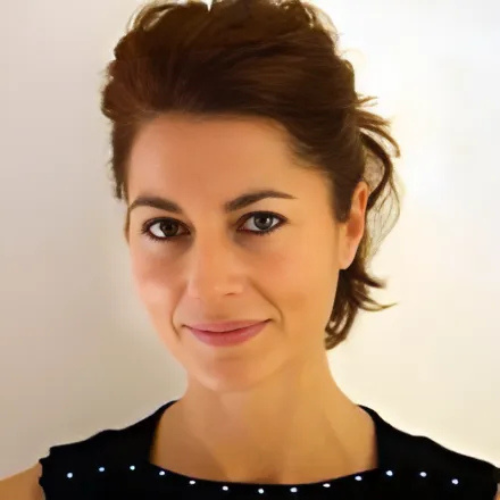
Christelle Chevalier
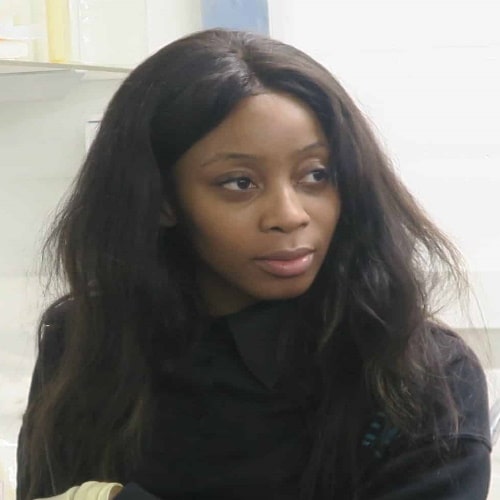
Hélène Ntimba
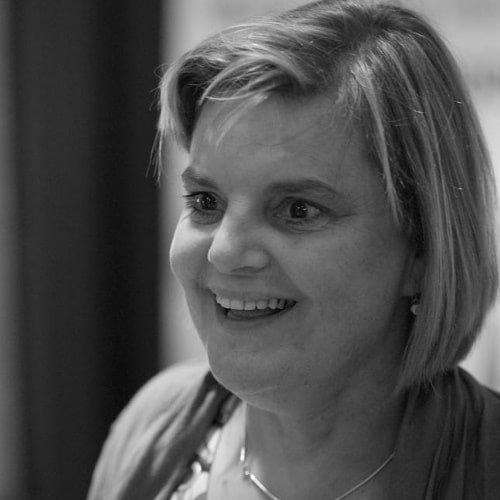
Pascale Vergeyle
Extra information
We recommend the Cleythil Hotel.
Location
Just outside Maldegem, 20 km from Mycelia Academy in Deinze, you will find the most welcoming Cleythil Hotel. The spacious garden offers you a magnificent view on the green fields and woods of Drongengoed. From a strategic point of view, Cleythil Hotel benefits an unique location. Just a 20-minute drive from historic Bruges and less than 30 minutes from the beautiful historic Ghent you make the finest day trips.
Rooms
The rooms are contemporary and comfortable with 32-inch HD flat-screen digital tv, free wired internet, a tea/coffee maker and a sitting are. All these elements make the rooms complete. A varied buffet breakfast is served each morning. You can submit a request for a gluten-free breakfast. (To be requested in advance.)
Price
The price per night for a single room is € 92 per person, breakfast included.
You can book this accommodation directly with us as a free service. During the registration process you can select whether you want to use this service or not. After the booking is done with us, you will get an invoice from the hotel to pay for the amount of nights you are staying.
Free Wi-Fi is available in the entire hotel. You can relax in the outdoor sauna and you can enjoy a drink in the bar or on the terrace. Papinglo Restaurant, with open kitchen, offers you a culinary à la carte menu.
There is free parking at the hotel. With our rental bicycles you can explore the beautiful surroundings, and in half an hour by car you reach our nice Belgian coast.
A late check-in is possible. After 10 p.m. guests can enter through the sliding door, and to the right on the wall they will find an envelope with their name on it. In it is their key. With this key they can enter the hotel as well as their room.
The hotel will also make you an invoice for the number of nights requested. The price per night is € 92/person, breakfast included.
Cancellations and prepayment conditions
For cancellation up to 3 days before arrival date, no fee will be charged for the reserved room; for multi-room reservation, this condition applies up to max 2 rooms. For cancellation up to 1 day before arrival date, 50% of the total reservation will be charged and for cancellation the day itself or no-show, the total reservation will be charged.
Your course fee includes:
- A light bread meal every day of the course: bread with toppings, cheese, charcuterie and soup,
- Coffee, Tea, snacks, fruit, waters and juices during all breaks,
- Welcome dinner the first evening.
Other dinners are at your own expense.
How to travel to Mycelia Academy?
Do you take the train after arriving at the airport?
Shuttle Service for hotel to Mycelia transportation
Since the hotel is located in Maldegem, about 20km from Mycelia, we are pleased to inform you that a shuttle service has been arranged to conveniently transport you between your hotel in Maldegem and Mycelia Academy.
The shuttle will operate in the morning and evening, ensuring timely transportation for your courses.
The shuttle service is available at € 80 per person per course week. The shuttle service fee will be billed directly by Mycelia Academy.
Please note that while we offer this shuttle service for your convenience, you are also free to arrange your own accommodation and transportation if you prefer.
No, we can not teach you how to grow White Button Mushrooms! For Agaricus bisporus courses, check out Mushroom Office in the Netherlands.
Meet the most unique learning environment on fungi worldwide
Or would you prefer to explore another subject?

Integrated Hygiene Management

Mycomaterials Production course

Mycelium Production course

Consulting
Be the first to know
Subscribers get the news first
We will open more course editions to our on-site courses on Substrate and Wood Fungi Production in 2024.
Subscribe our newsletter to get the first hand news and grant your spot!